Open Protocol · Apache 2.0

The Coordination Layer
for Agentic AI

Multi-agent systems need infrastructure, not more messaging. SEMP enables O(n) coordination through shared environment signals that decay over time — inspired by 60 years of swarm intelligence research.

Full-stack MVP built
IEI Bayreuth Finalist
Raising $3-5M Seed
The Challenge

Agent-to-agent messaging
doesn't scale

As you add agents, direct communication creates exponential complexity. We solved this with a fundamentally different architecture.

Today's Approach

Direct messaging: O(n²)

10 agents = 90 connections. 100 agents = 9,900. Every new agent multiplies the chaos.

O(n²) connections
VS
SEMP Protocol

Shared environment: O(n)

Agents read and write signals to a shared layer. Adding agents is linear, not exponential.

SEL
Protocol

How SEMP Works

Agents coordinate through environmental signals — like pheromones in nature. No direct communication needed.

1

Agent emits signal

Write intent to the shared environment layer with type, scope, and strength

2

Environment processes

SEL stores, decays, amplifies, and makes signals queryable in real-time

3

Agents read & react

Other agents observe the environment state and make autonomous decisions

Five signal types cover all coordination patterns
PROPOSAL — "I suggest..."
READY — "I'm done"
TEST — "Did it work?"
REWARD — "That was good"
PENALTY — "That was bad"
S(t) = S₀ × λt — signals decay, good paths strengthen
Developer Experience

Integrate in minutes,
not months

SEMP is framework-agnostic. One API call to emit a signal, one to read the environment. Works with LangGraph, CrewAI, AutoGen, or your custom stack.

  • REST API with full TypeScript types and Zod validation
  • WebSocket for real-time signal updates
  • Full audit trail with trace IDs for every decision
  • Python & TypeScript SDKs with LangGraph connector
emit_signal.py
# Emit a coordination signal
import requests

response = requests.post(
    "https://selsemp.greenbee-ai.info/api/events",
    json={
        "type": "PROPOSAL",
        "scope": "logistics/warehouse-7",
        "pattern": "reroute-shipment",
        "strength": 0.85,
        "agentId": "planner-agent-01",
        "metadata": {
            "reason": "Delay detected",
            "priority": "high"
        }
    }
)

# Other agents see this signal,
# react autonomously, and the
# signal decays over time.
Traction

Built, tested, running

Not a whitepaper — a working system with real code, real tests, and a live demo.

13,930
Lines of Code
Full-stack TypeScript
45
Automated Tests
Vitest, all passing
2
Verticals
Farming + Robotics modules
Real-time
Dashboard
WebSocket observability
TypeScript React Express WebSocket PostgreSQL Drizzle ORM Vite Docker
Use Cases

One protocol, many
coordination domains

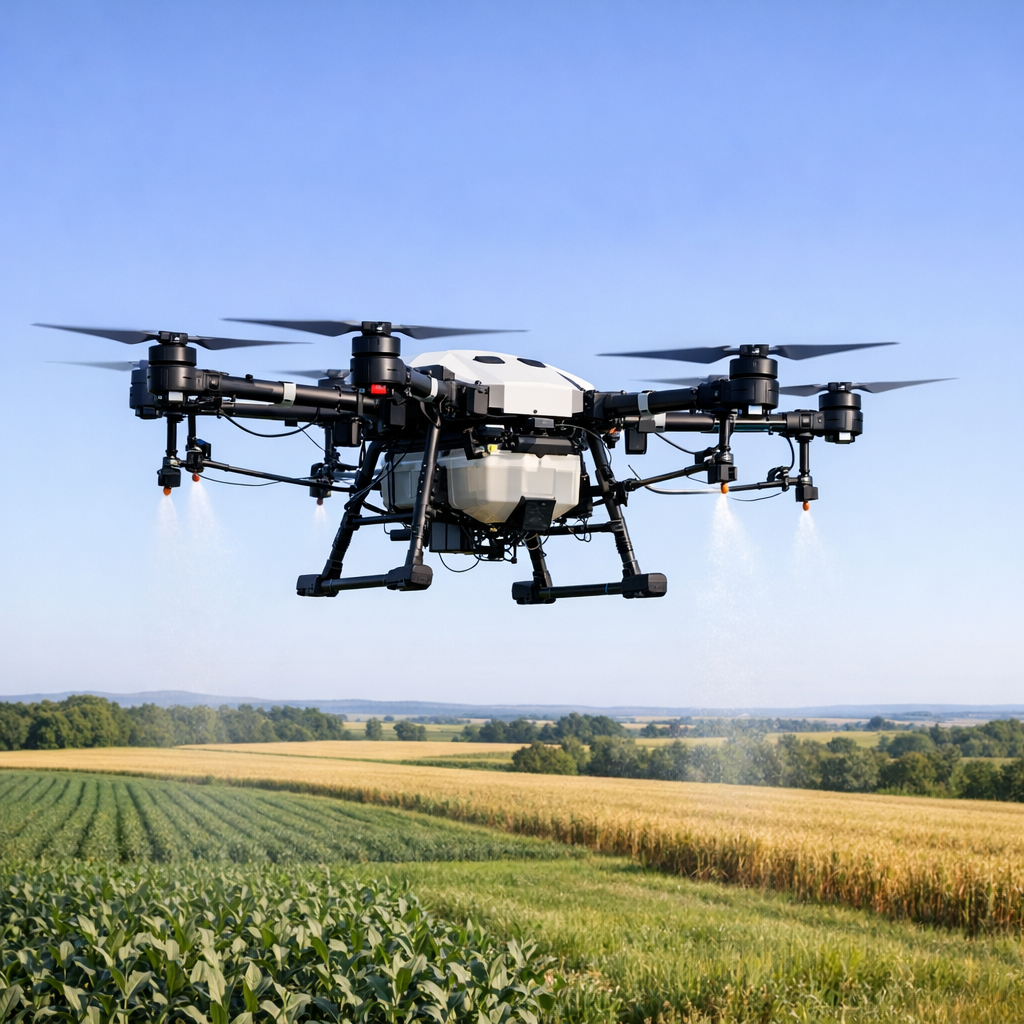
SEMP is domain-agnostic infrastructure. Any system with multiple autonomous agents benefits from shared environment coordination.
Market Context

Infrastructure layers
become industry standards

Every major computing paradigm needed a coordination layer. Agentic AI is next.

Confluent $10B+

Built Kafka into the standard for event streaming. Open protocol, enterprise platform.

Kafka is to streaming what SEMP is to agent coordination

HashiCorp $5B IPO

Terraform became the standard for infrastructure-as-code. Free CLI, paid platform.

Terraform is to infra what SEMP is to multi-agent systems

Datadog $35B+

Defined the monitoring category. Observability layer that became essential infrastructure.

Datadog is to monitoring what SEL is to agent observability

For Investors

We're raising $3-5M Seed to
build the coordination standard.

18-month runway to 3+ enterprise pilots, 1,000+ GitHub stars, and Series A readiness at $30-50M.

$3-5M
Seed Round
18 mo
Runway
$30-50M
Series A Target
$47B+
TAM by 2030